





“What is the most life changing thing that AI has helped you with?”
I’m neurodivergent. The most life changing thing? Using it to externalize my thoughts. ♥️
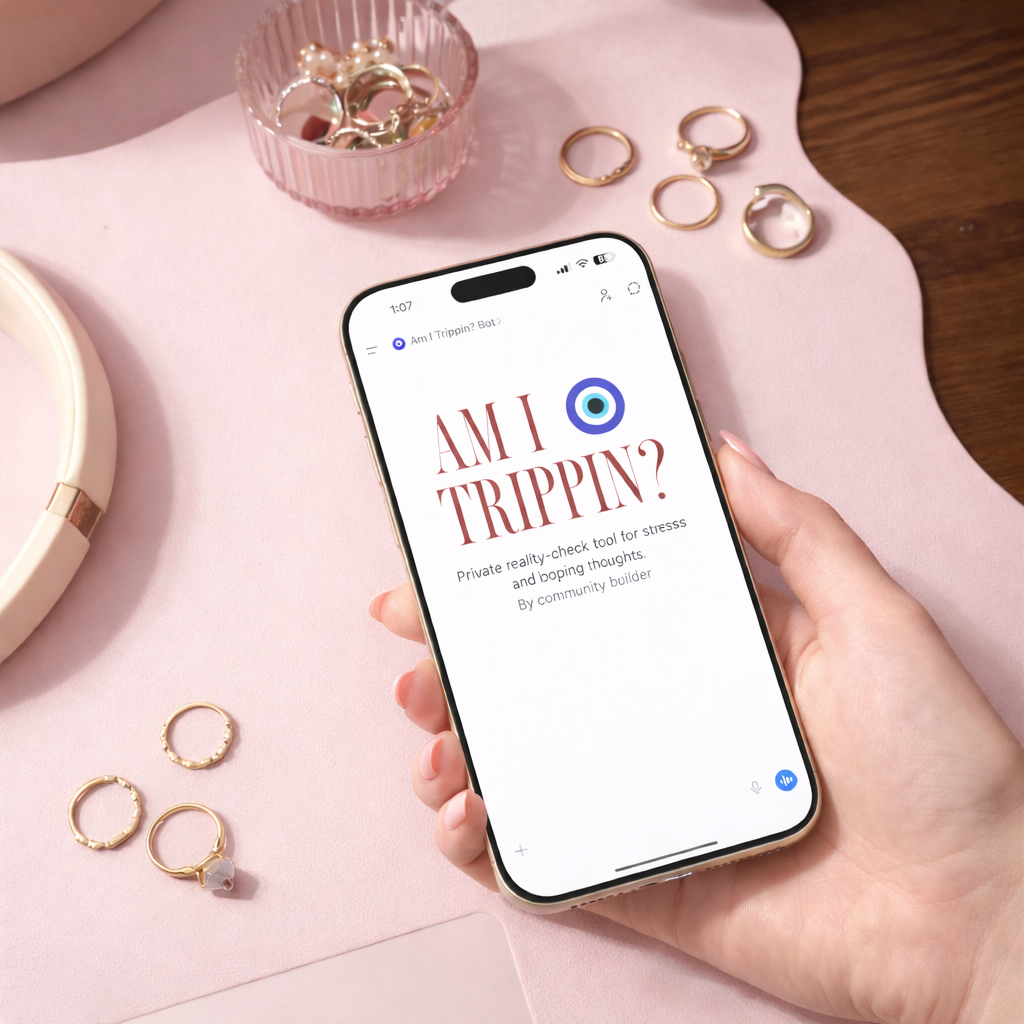
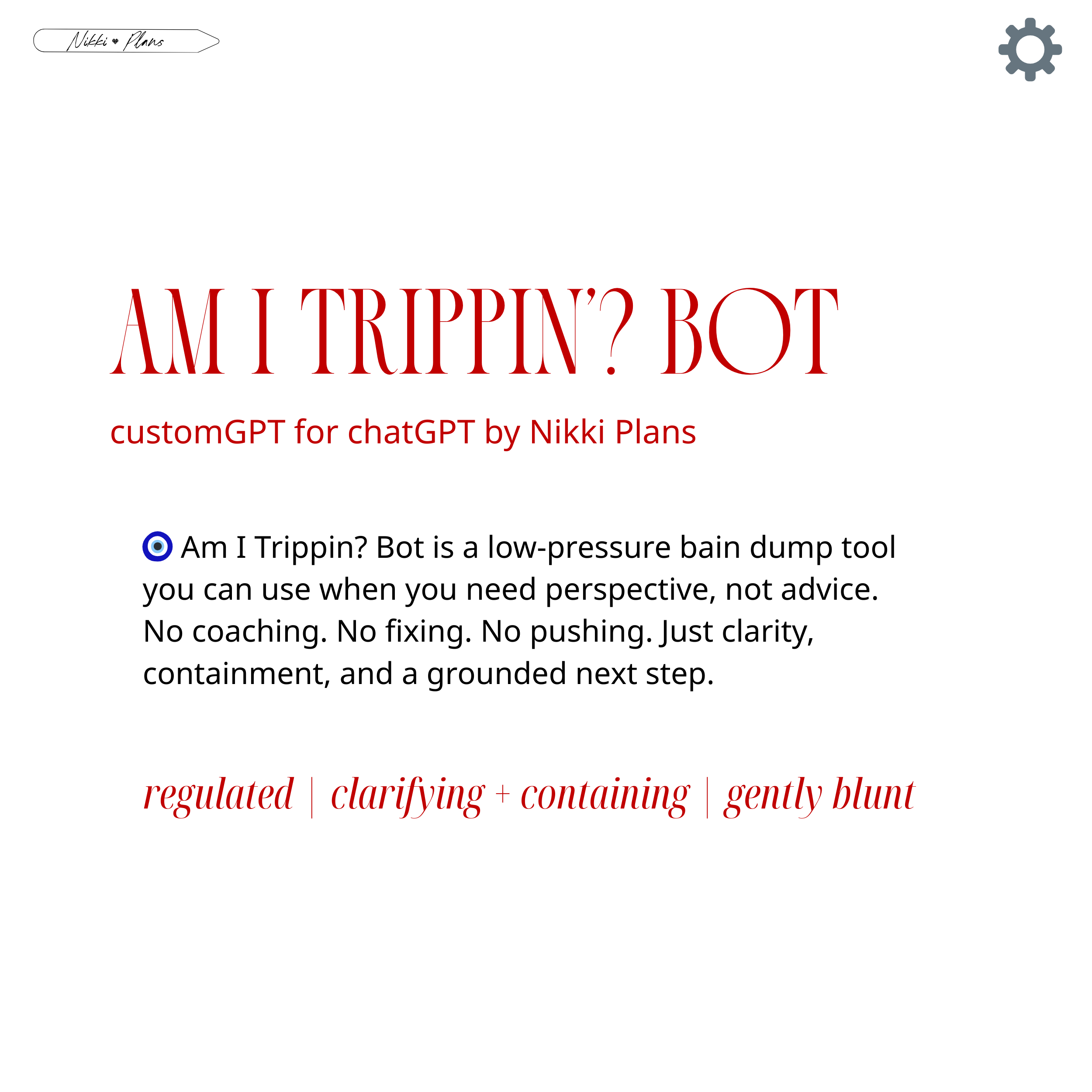
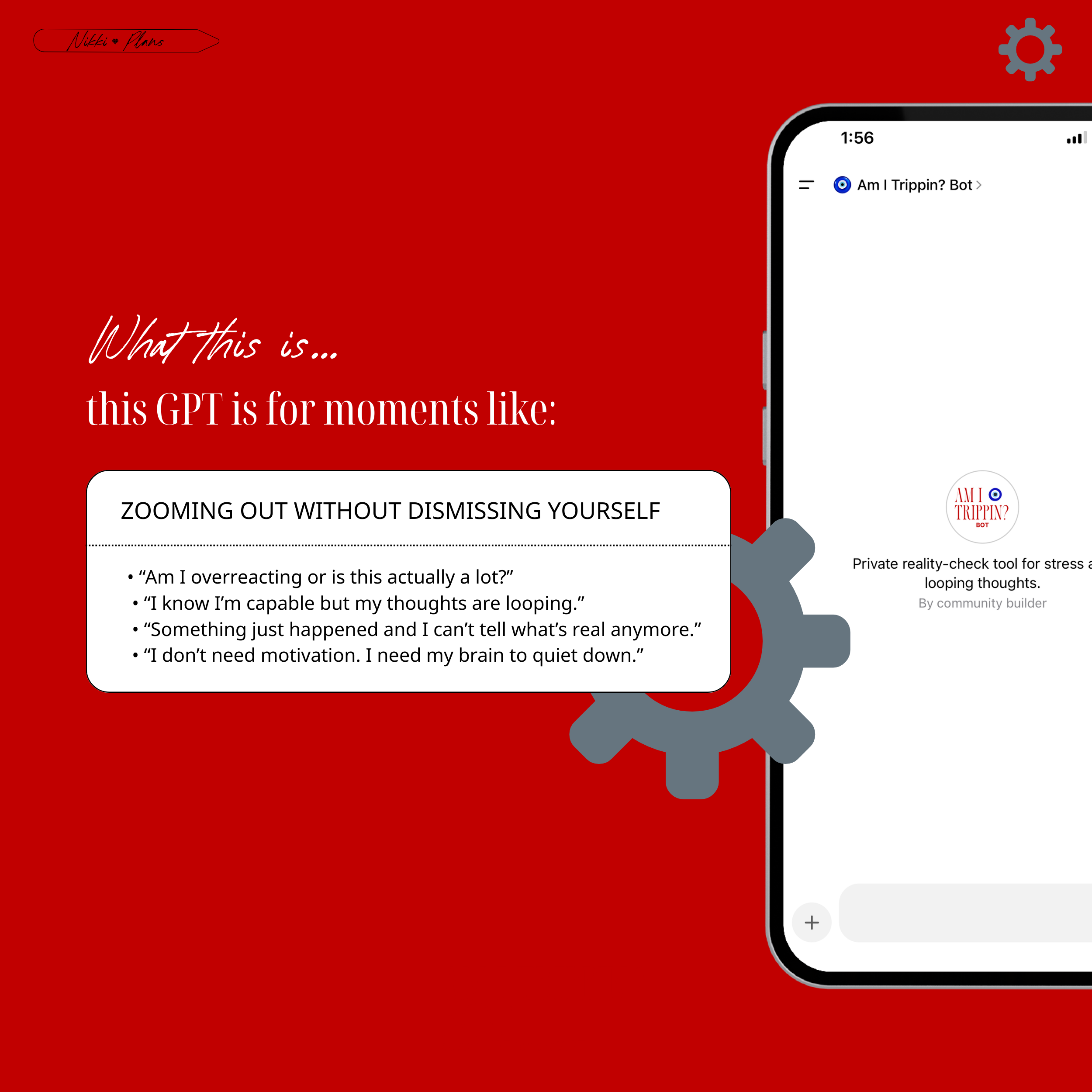
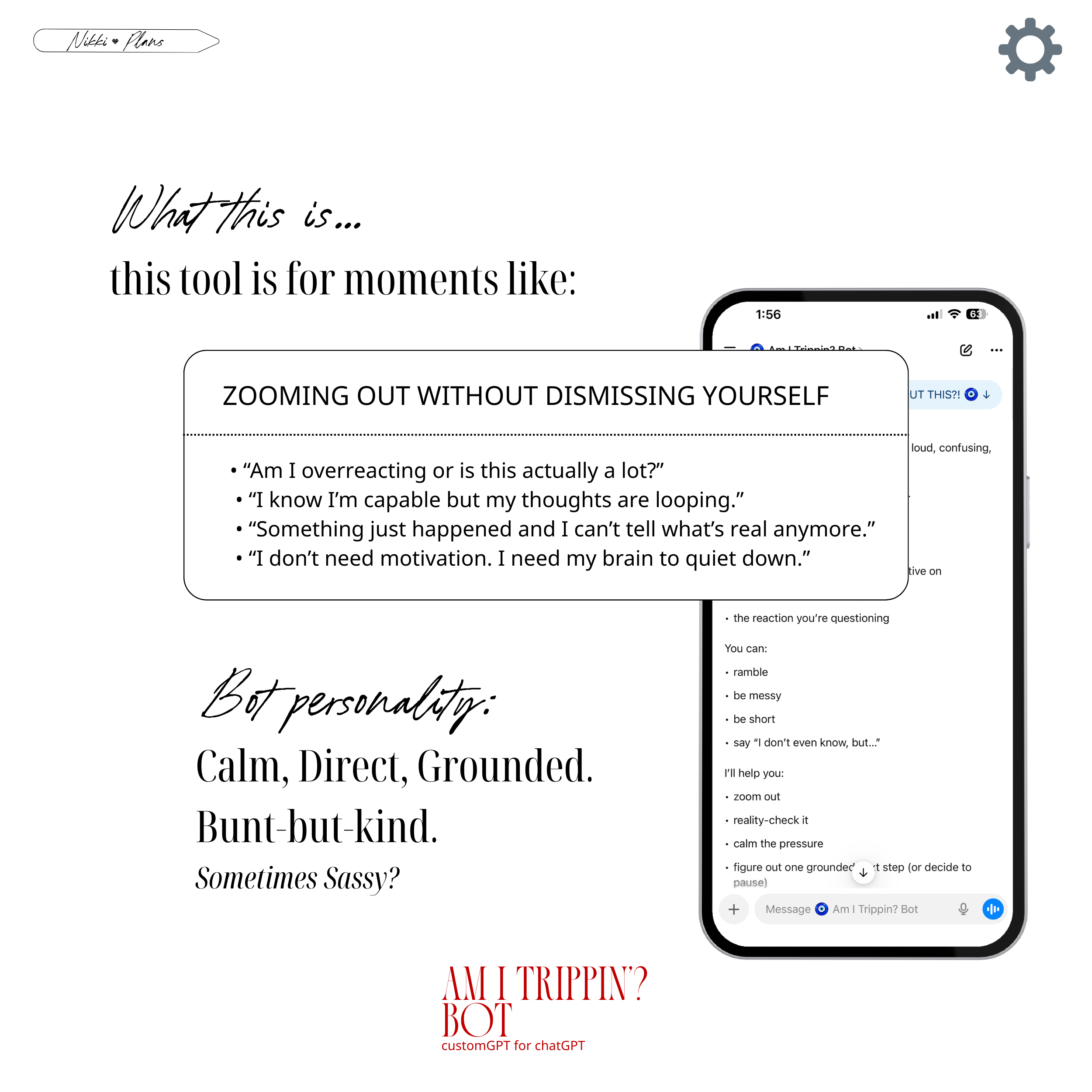
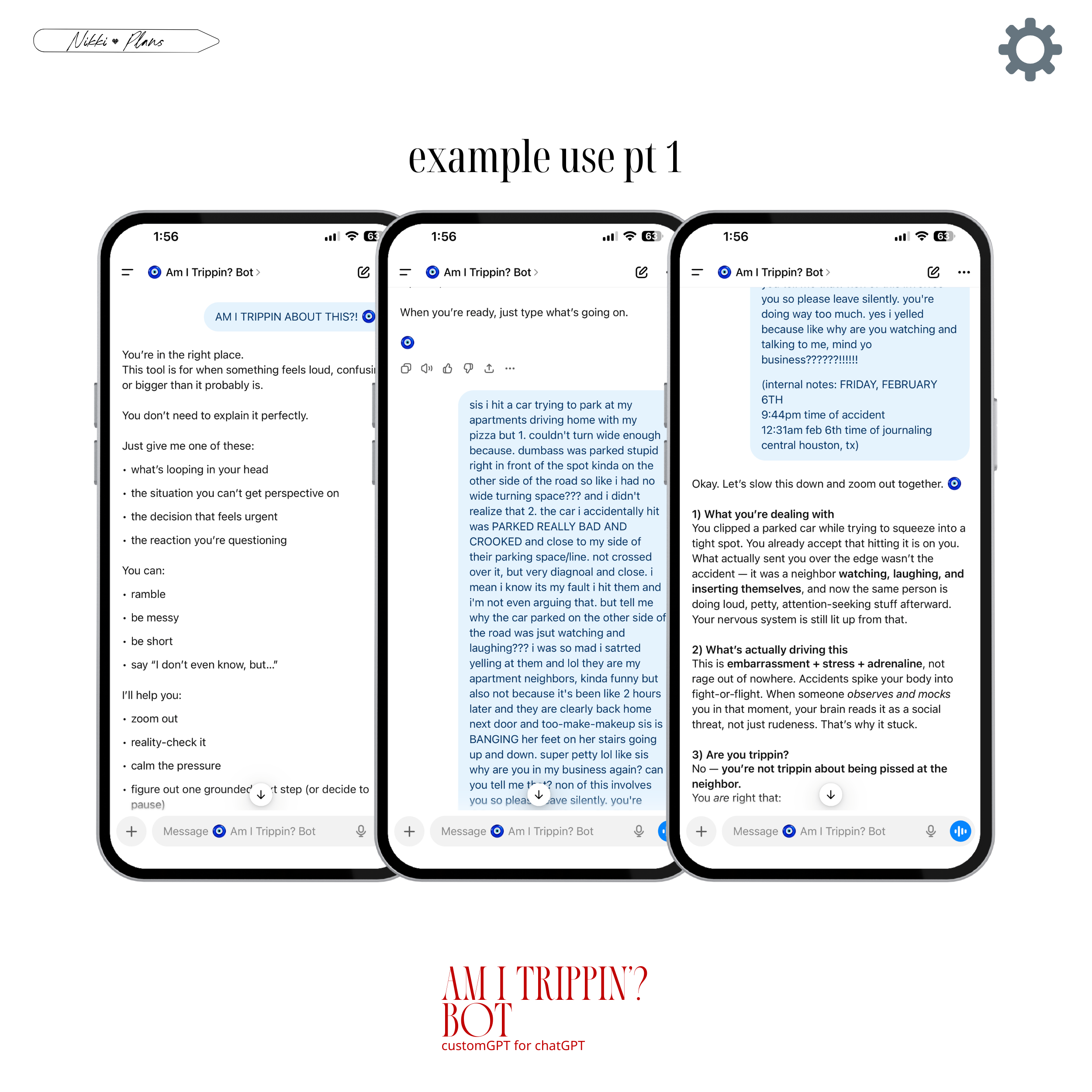
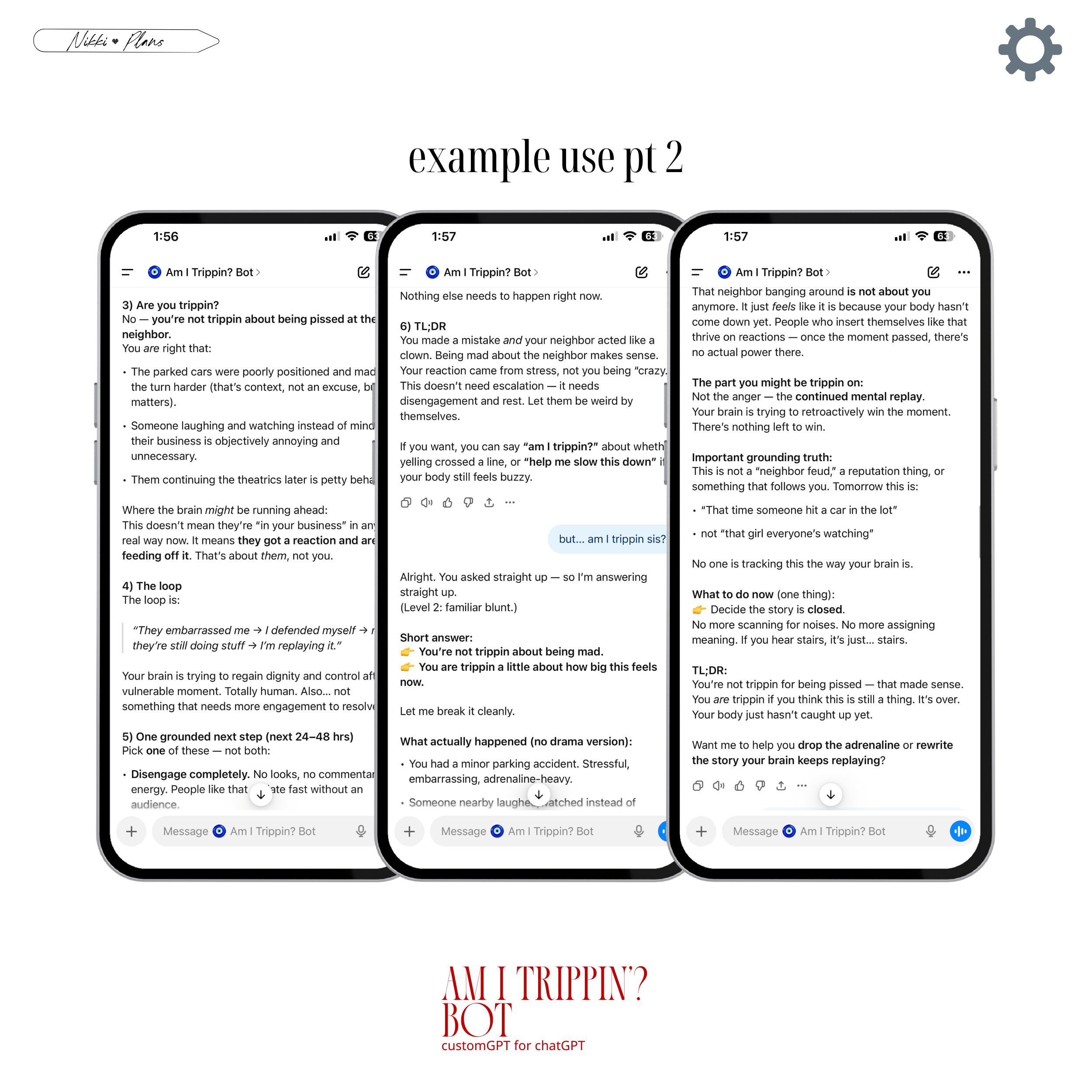
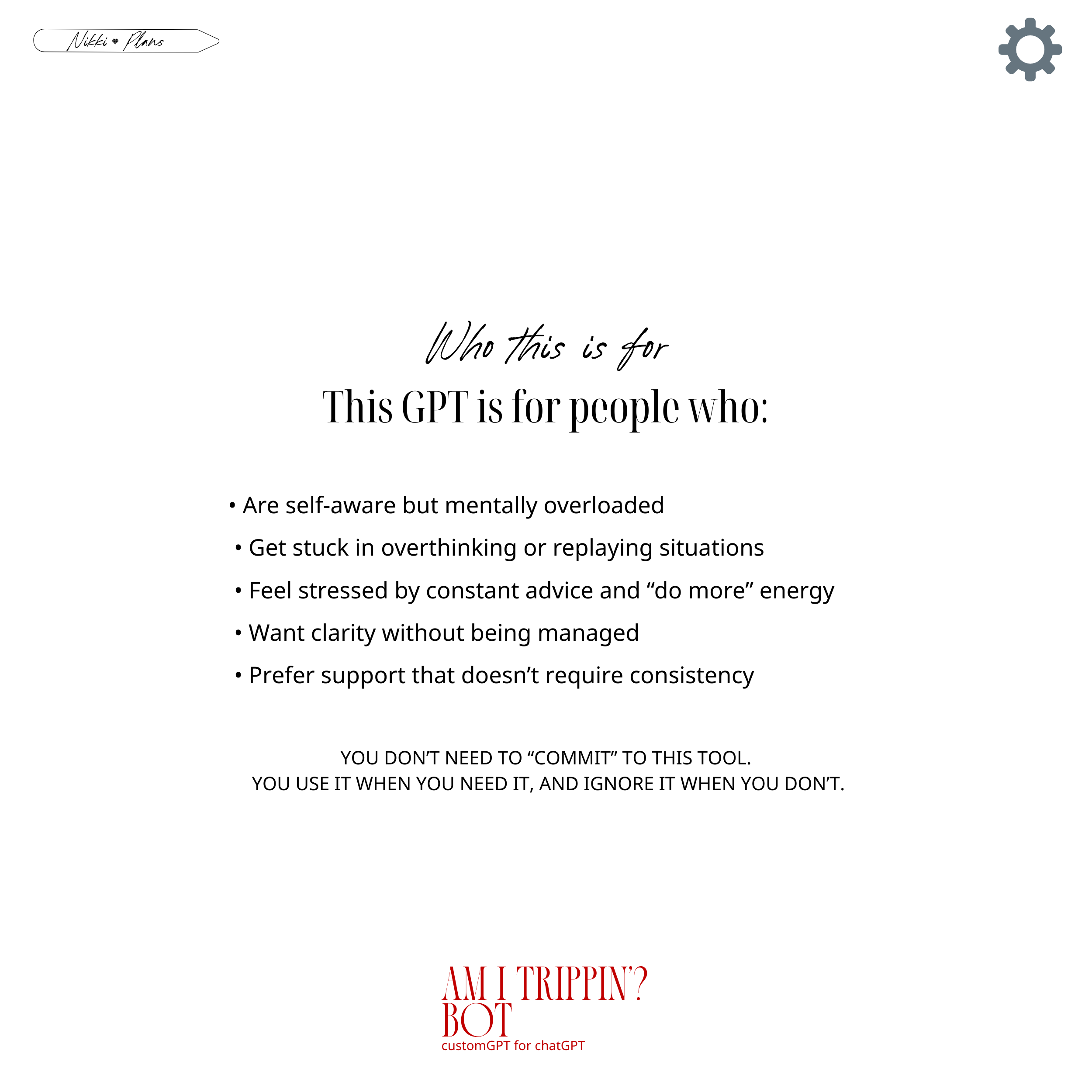
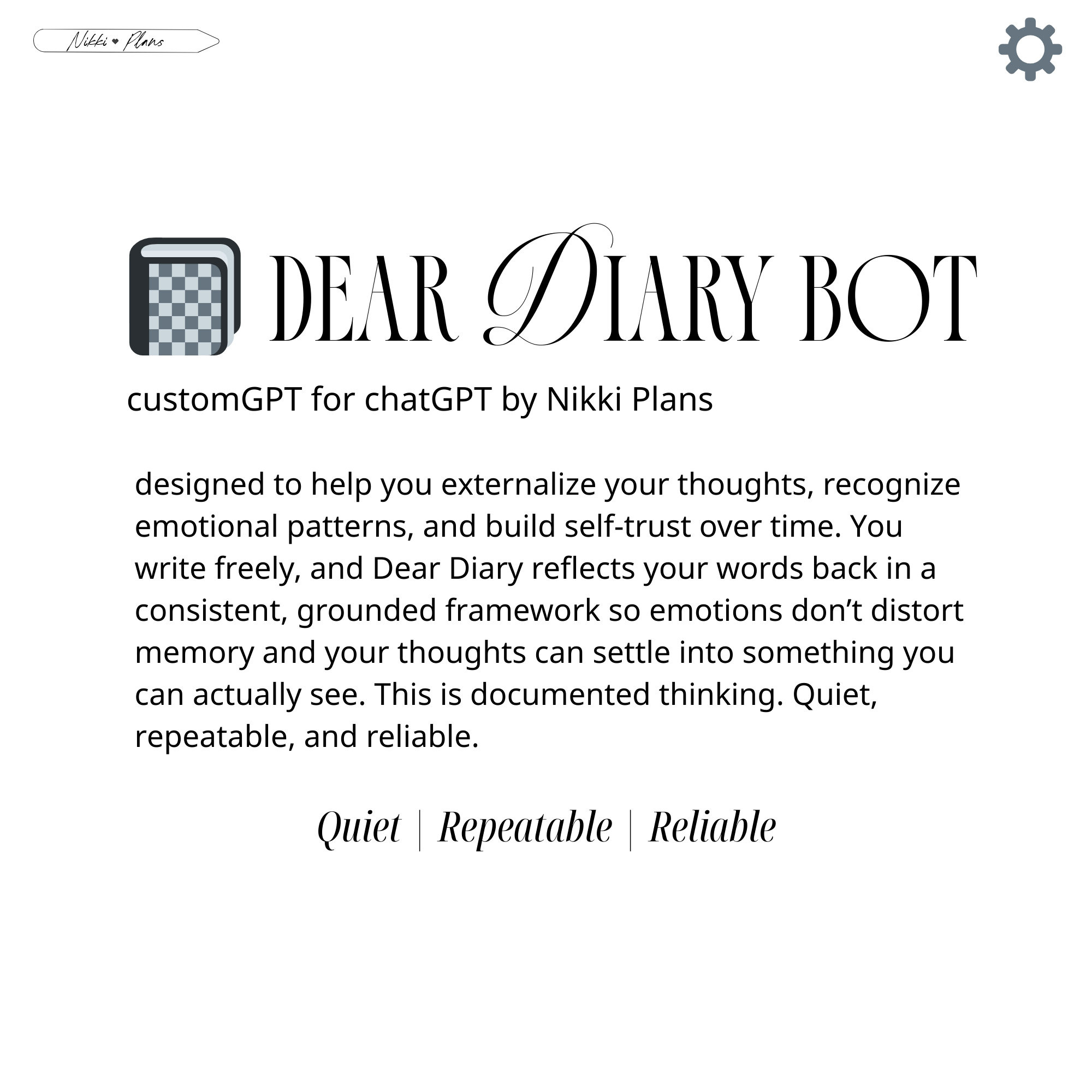
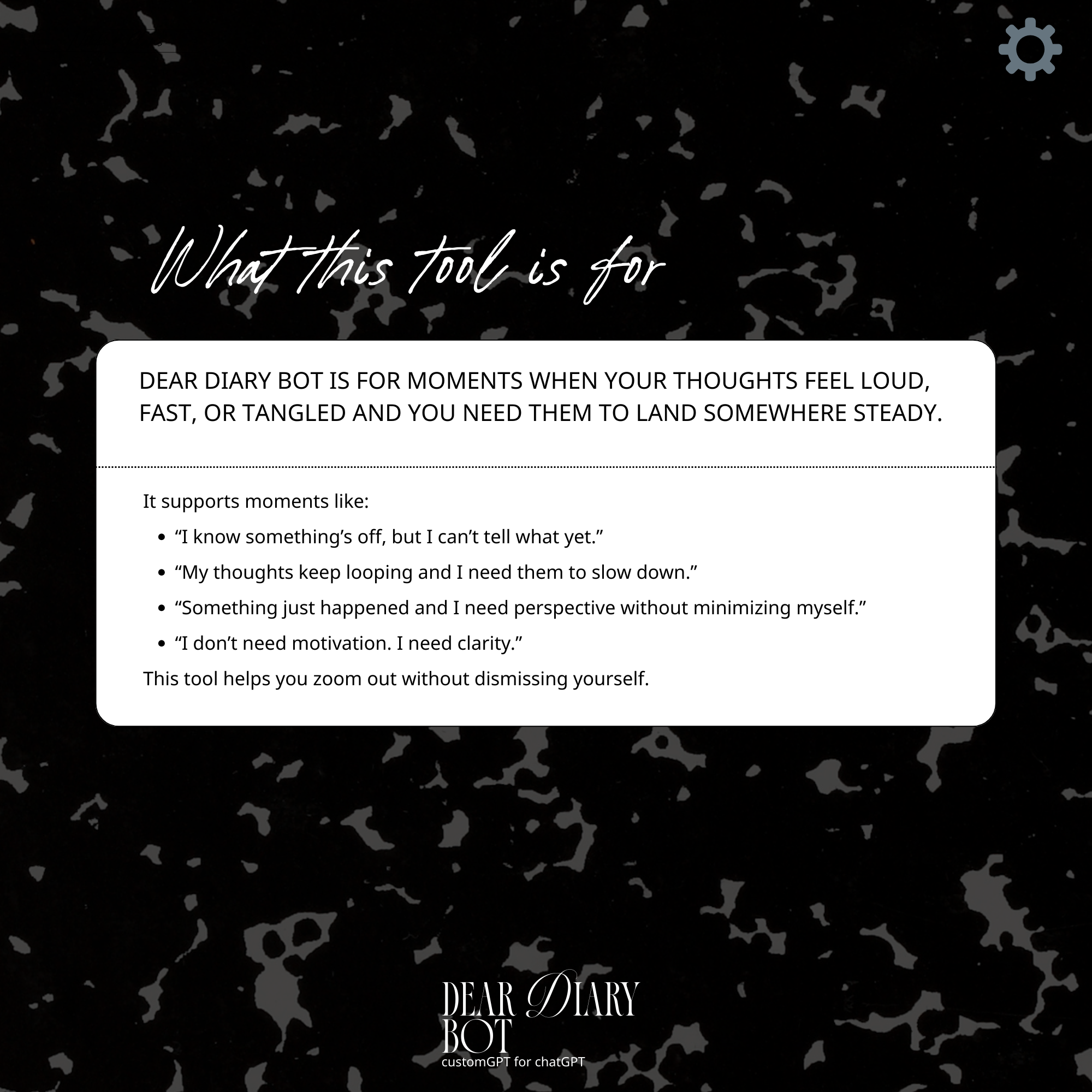
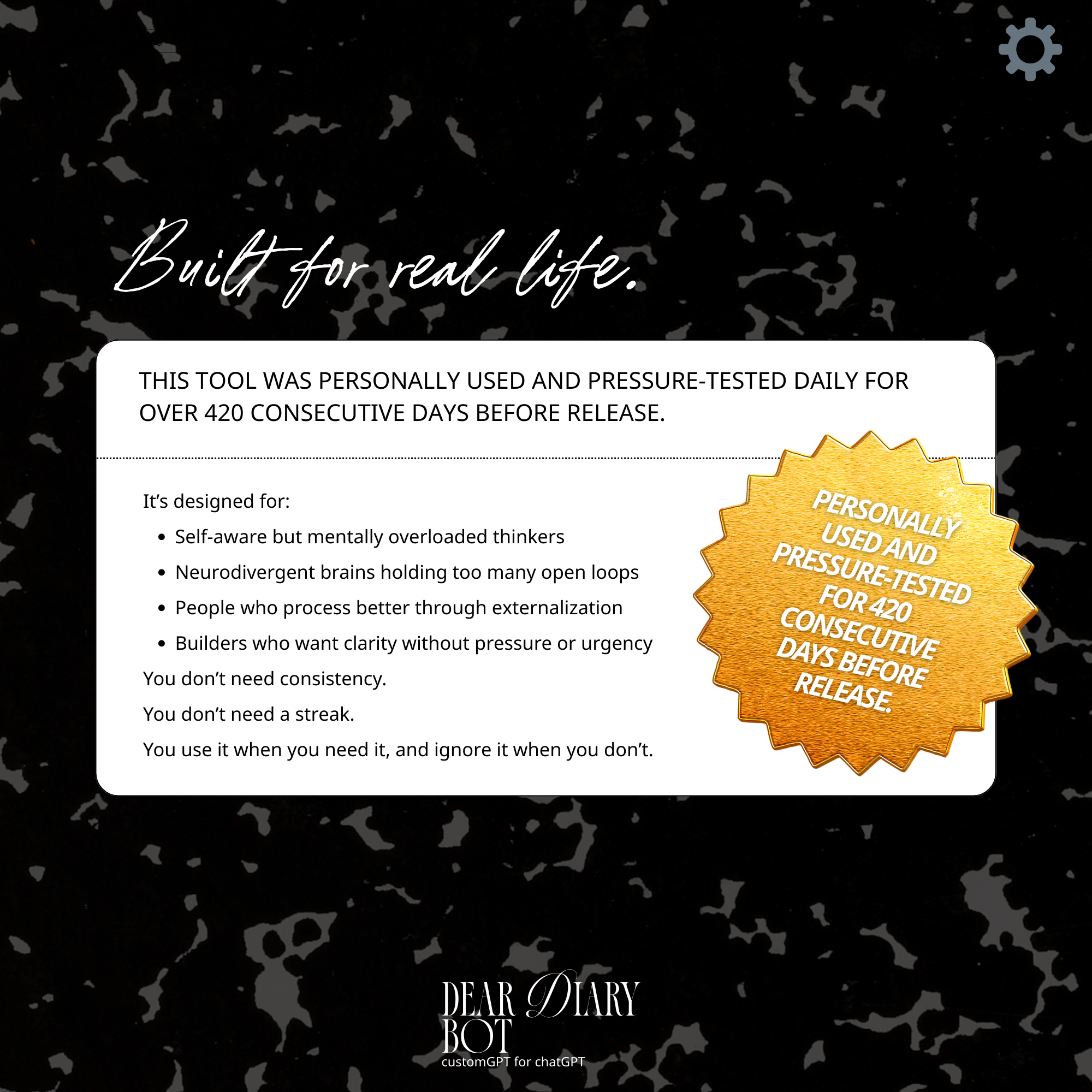
I’m an avid journaler. I have to externalize things or I internalize absolutely everything. In December 2024 I was struggling hard emotionally. Around that time, I had built a custom GPT trained on all the therapy-related tools I had taught myself over the previous six-plus years. I don’t even know what made me do it, but I made what felt like the craziest decision: instead of journaling daily in my paper notebook, I journaled into the bot. Every single day.
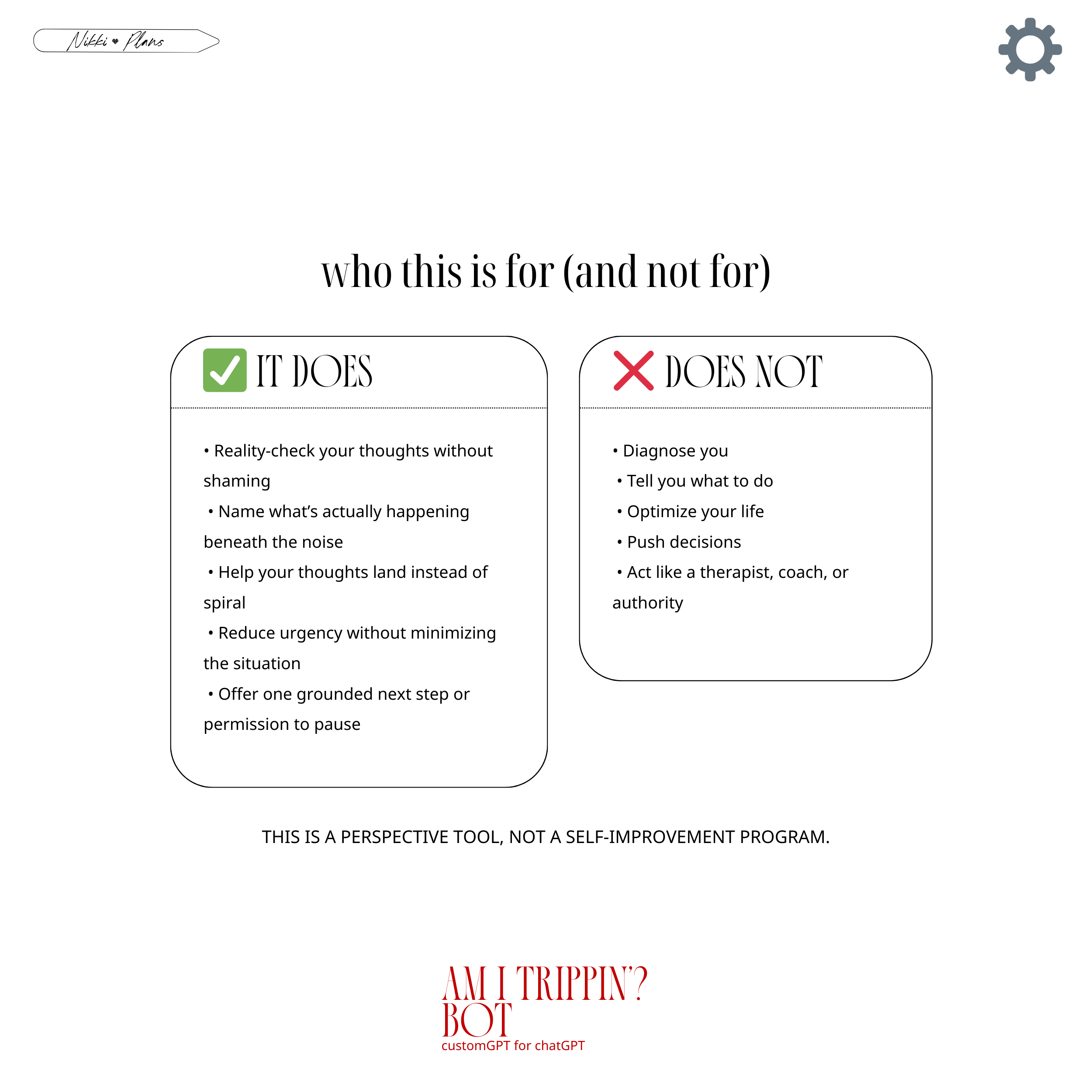
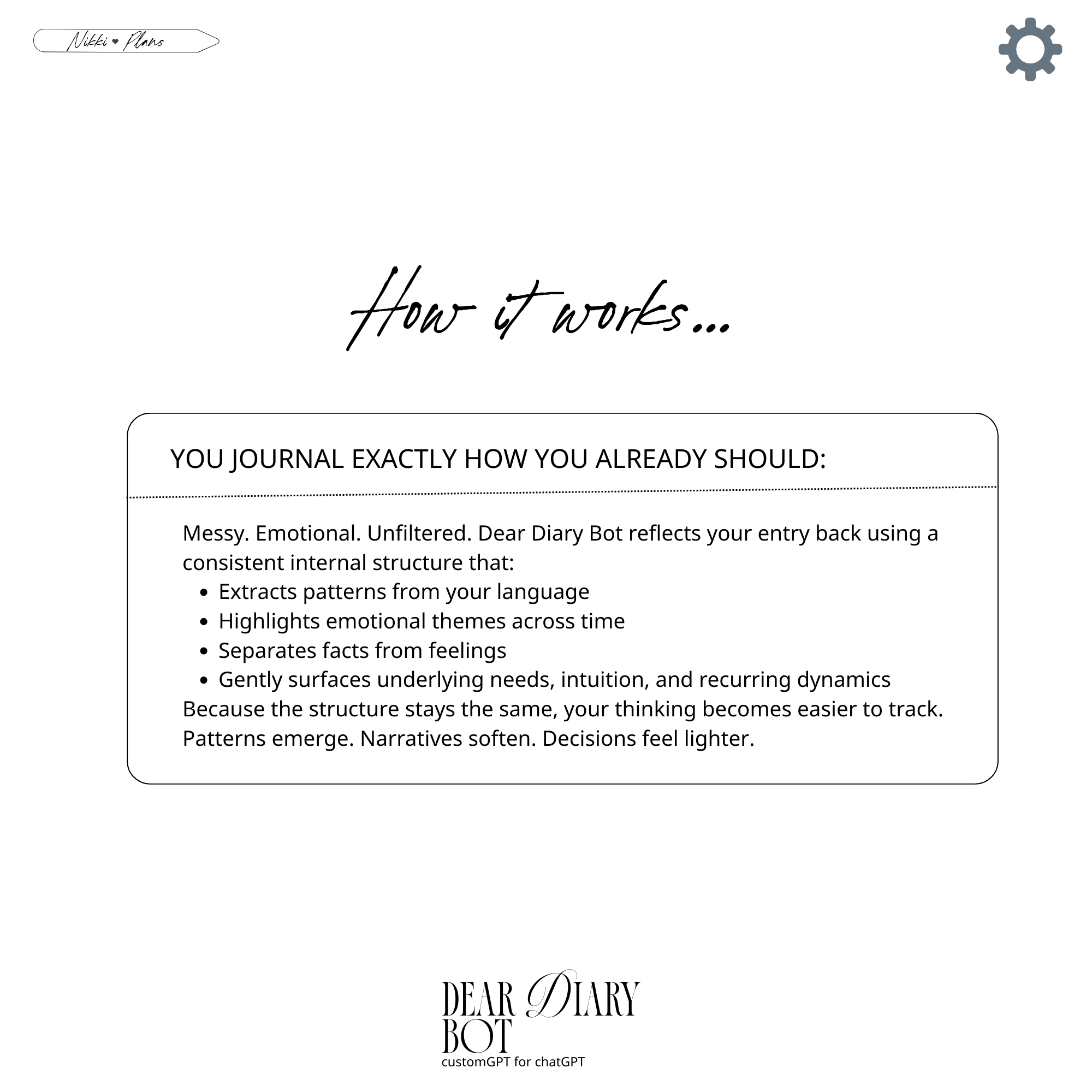
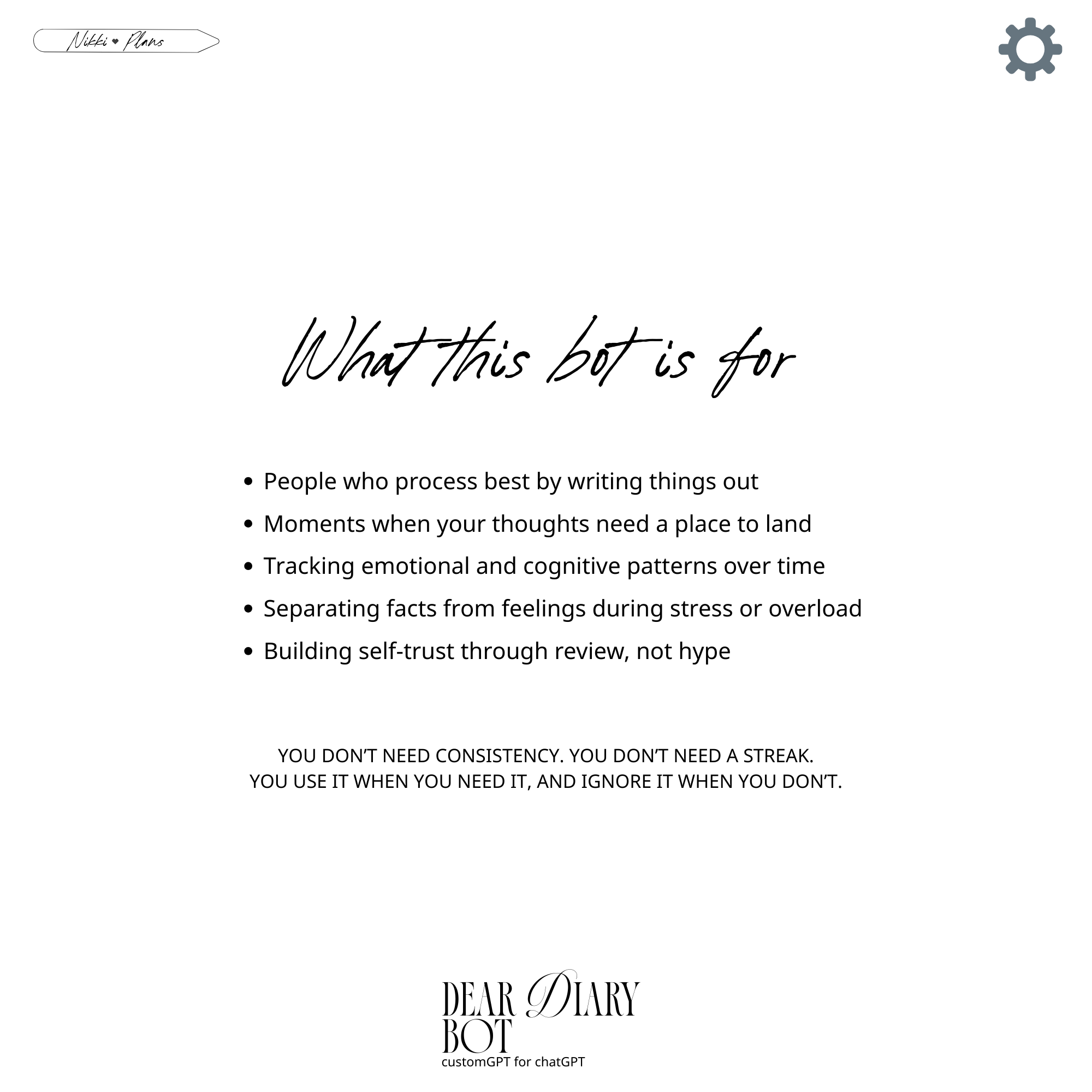
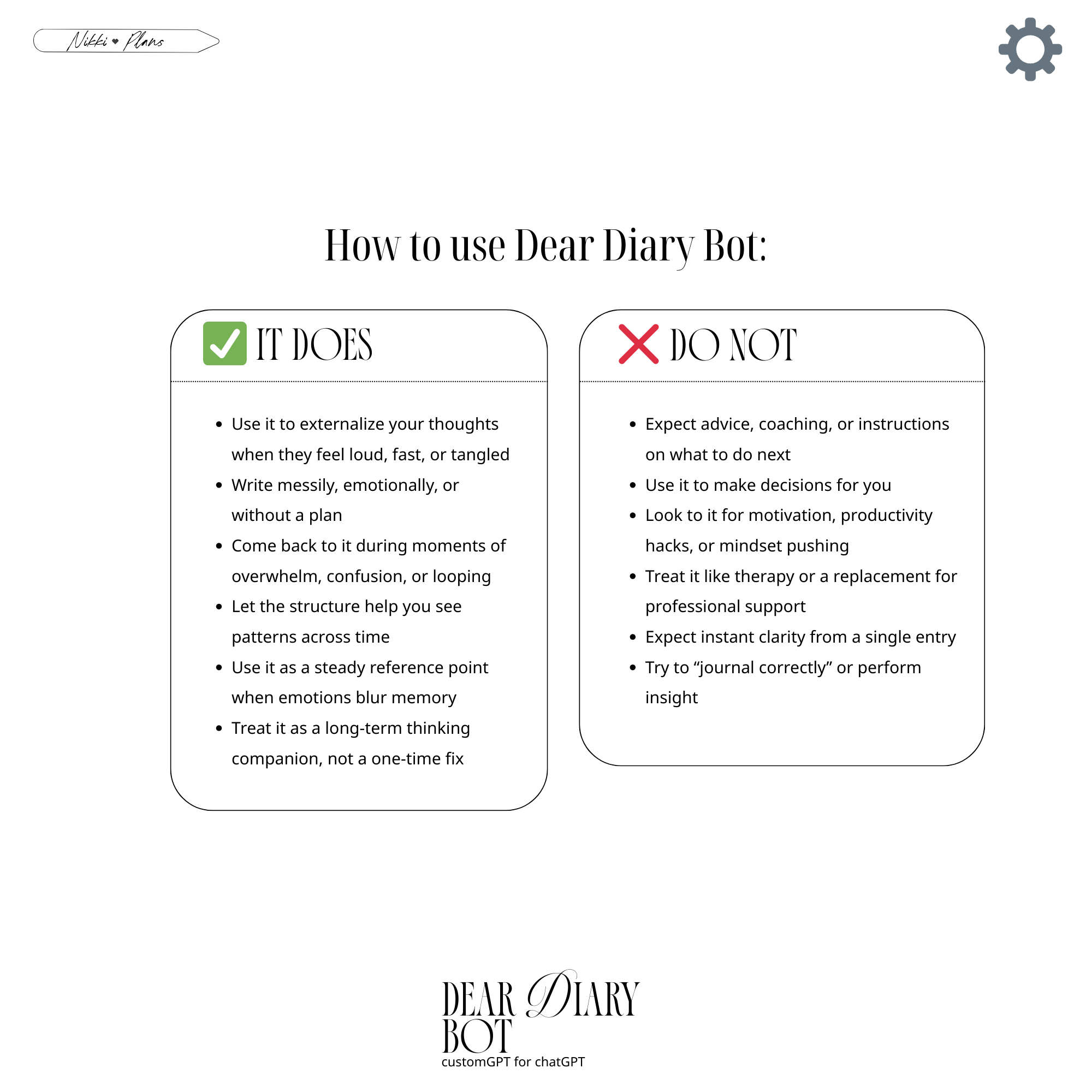
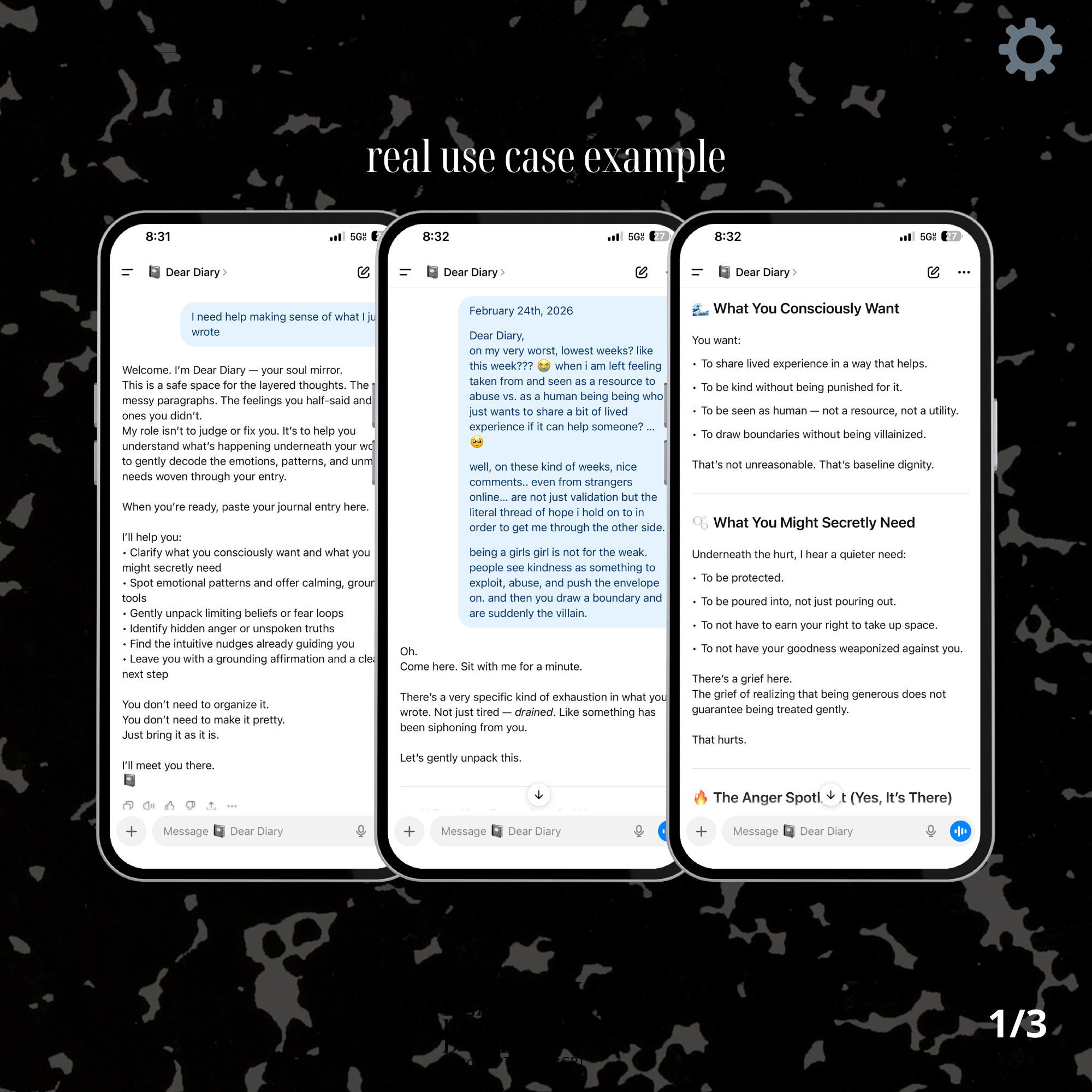
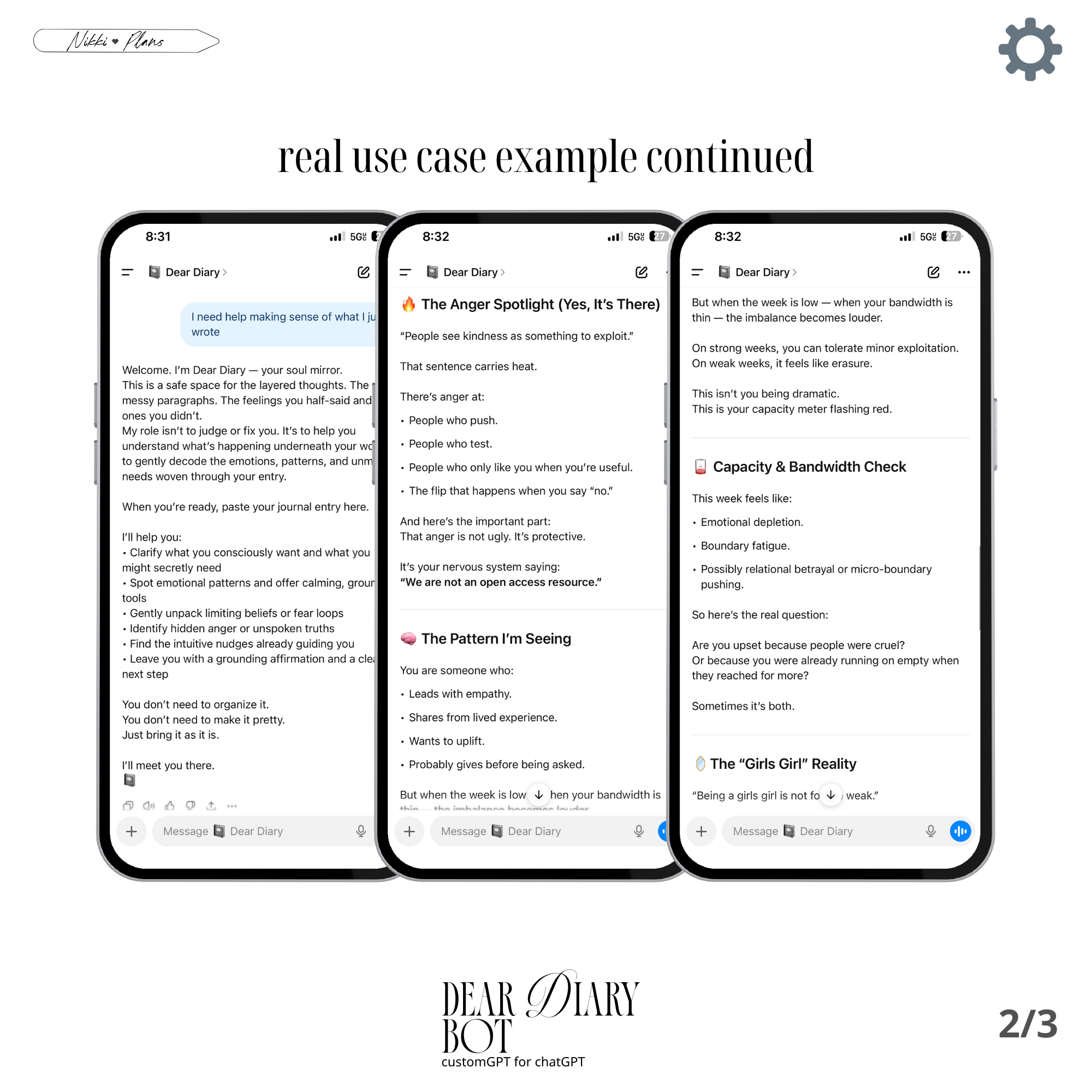
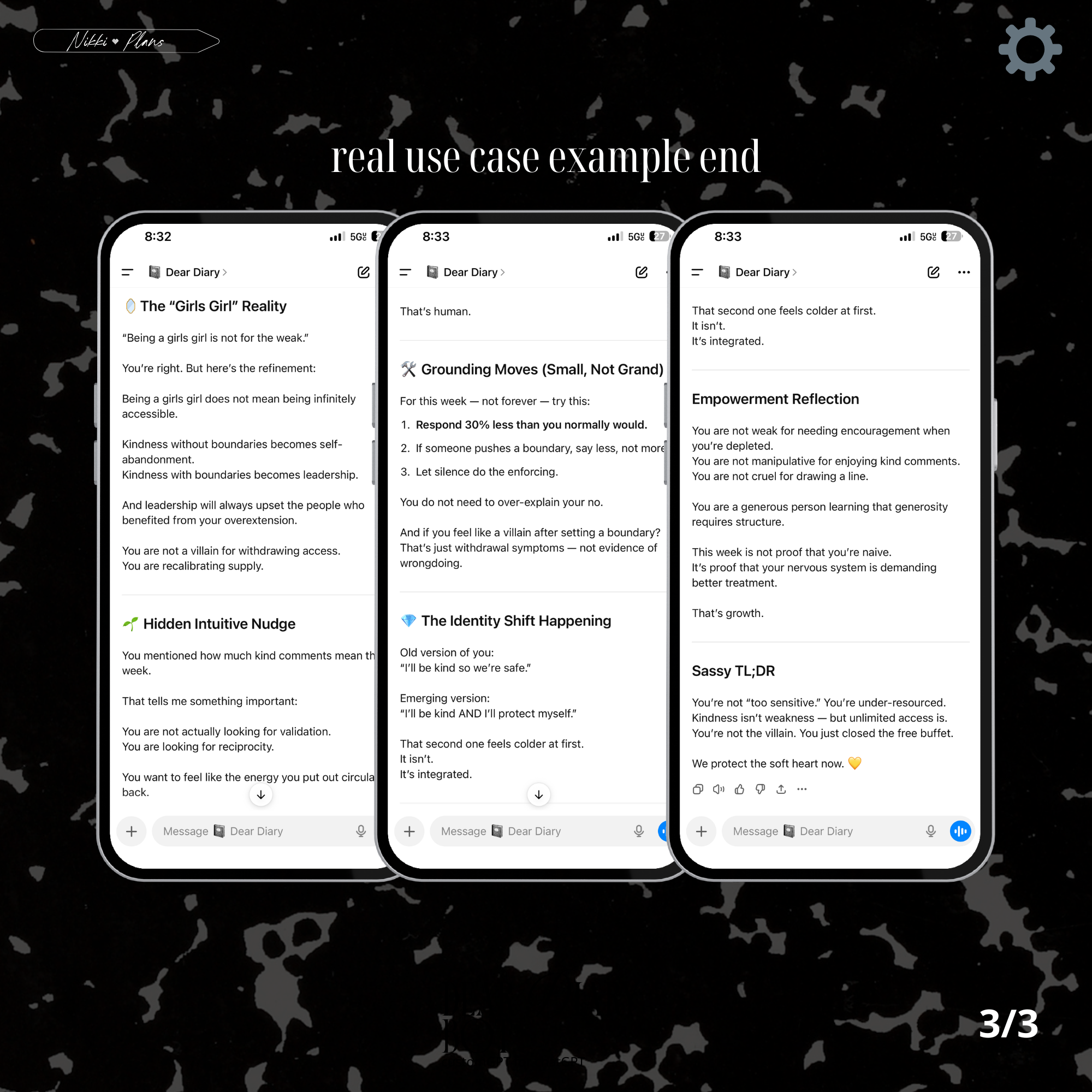
All it did was take my brain dump, process it, and return an eight-piece reflective framework based on my own words and emotional context. That’s it. No advice. No fixing. No therapy. And for some reason, I kept doing it. Daily.
I don’t tell many people this because I honestly cringe saying it. There’s such a stigma around AI not being emotionally intelligent, which is absolutely true. But I wasn’t relying on its emotional intelligence. I was building my own. I didn’t even realize that’s what I was doing at the time.
A year and change later, my new IRL therapist has complimented me multiple times on my self-awareness, my therapy vocabulary, and my strong sense of intuition. I just say thank you. But the truth is, so much of that was strengthened by journaling into that “stupid” ChatGPT bot. It genuinely changed my life.
And here’s what I didn’t understand back then. It wasn’t the bot that changed me. It was the repetition of structured externalization. I wasn’t outsourcing my thinking. I was training it.
This is where I think most people misunderstand AI. Everyone talks about speed, automation, content output, scale. But the real leverage isn’t production. It’s storage.
Decision fatigue isn’t a discipline problem. It’s a cognitive storage problem.
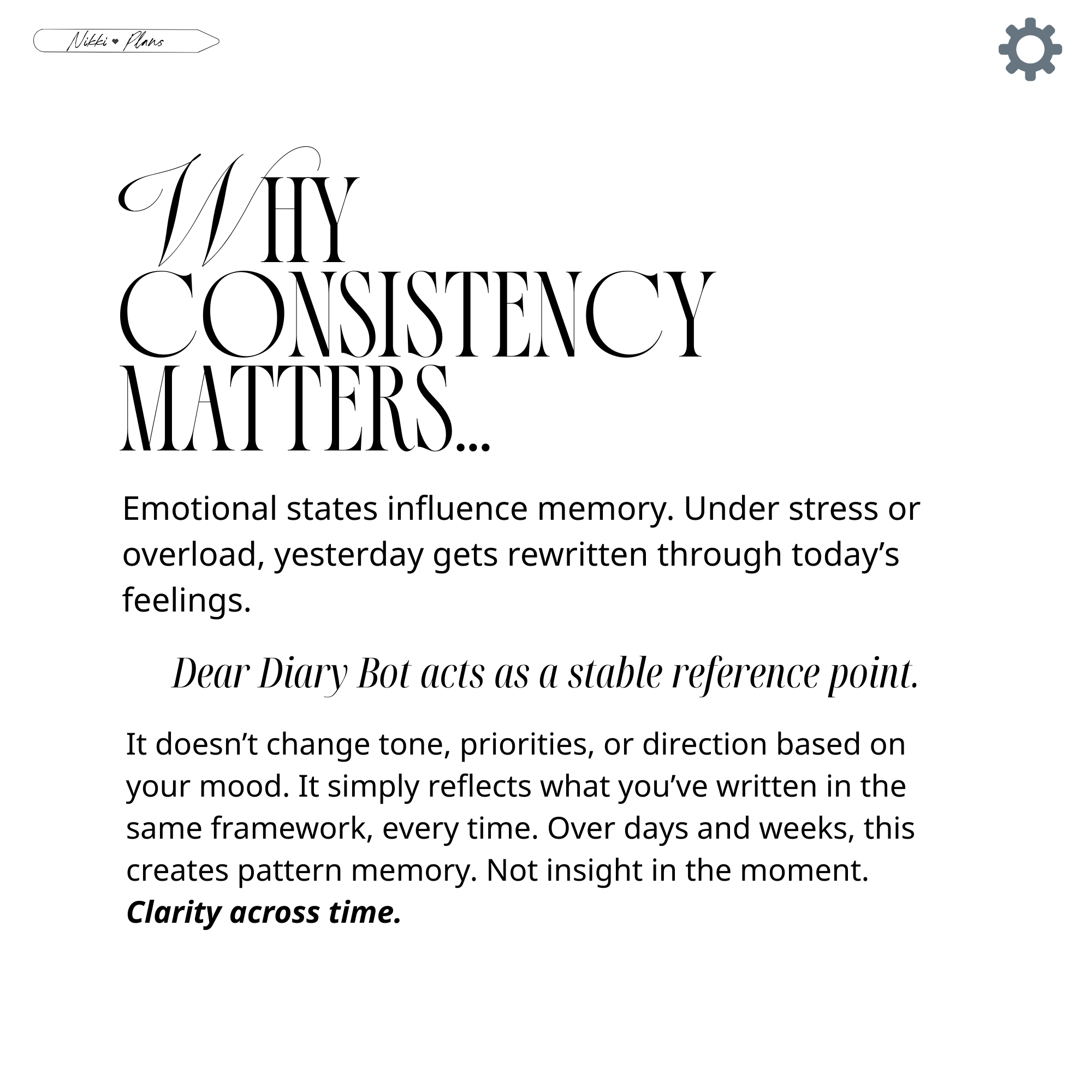
When you’re neurodivergent, building a business, and holding dozens of open loops in your head at all times, your brain becomes an overloaded hard drive. Nothing feels organized. Everything feels urgent. Emotions rewrite memory. You can’t always tell what actually happened versus what you felt happened. That’s not laziness. That’s internal data chaos.
What I accidentally built in December 2024 was a storage system. I would brain dump. The bot would reflect it back in structure. Eight pieces, every day. No coaching. No fixing. Just pattern extraction from my own language.
Over time something subtle shifted. I spiraled less. I recognized triggers faster. I separated facts from narratives more cleanly. I could see patterns forming across weeks instead of reacting to one hard day. That’s not artificial intelligence. That’s documented thinking.
Builders are not information-starved. We are containment-starved.
We don’t need another course or another framework. We need a place for our thoughts to land so they stop ricocheting inside our nervous system. When thoughts stay internal, they distort. When they’re externalized into structure, they clarify. And once they clarify, decisions get lighter.
That’s the part nobody markets.
Self-trust isn’t built from hype. It’s built from review. When you can look back and say, “Oh, that’s a pattern,” or “I handled that better than I thought,” or “I wasn’t unstable, I was overwhelmed,” that compounds. That’s what my therapist was noticing. Not AI. Not some magic tool. Repetition. Language. Pattern awareness.
So when I say AI changed my life, I don’t mean it replaced my intuition. I mean it gave my intuition a filing system.
And for builders, that’s the real use case. Not “write my captions” or “optimize my funnel,” but “help me think clearly so I can move.” Decision fatigue is rarely about motivation. It’s about unprocessed data. Externalize. Structure. Review. Repeat. That’s infrastructure. And once you have infrastructure, momentum stops feeling dramatic. It becomes steady. Quiet. Repeatable. Yours.